Top 10 Must-Have Tools for DIY Projects
The best DIY tools are the ones you keep reaching for because the same jobs keep showing up around the house. Measure it. Mark it. Drill it. Fasten it. Cut it. Clean up the edge. Grab or adjust something. Then clean the mess before you call the job done.
That is a better way to build a first tool kit than filling a cart because something happens to be on sale.
Start with these 10 tools
For a beginner homeowner, I would build around these ten:
- Tape measure
- Speed square
- Drill/driver
- Circular saw
- Jigsaw
- Random-orbit sander
- Hammer
- Adjustable pliers
- Utility knife
- Shop vacuum
This is not a woodworking-shop list, and it is not a cordless-power-tool list. It is a basic household working kit.
If you already own something on the list and it does the job, keep using it. You do not get extra points for replacing a perfectly good tool.
Rule of Thumb
Choose the tool role for the job before the brand. If the same problem keeps slowing you down, then the upgrade has earned a serious look.
1. Tape measure: get the layout right before anything else
A tape measure gets used before most cuts, holes, fasteners, shelves, trim pieces, and hardware locations.
Room dimensions. Cut lists. Spacing. Material checks. Finding out whether the thing you just installed is actually where you meant to put it.
A 25-foot tape covers a lot of normal homeowner work. The Milwaukee 48-22-0225 is one 25-foot tape to compare when you are shopping this role. The bigger issue is simple: can you read it quickly and control the blade without fighting it?
Use one dependable tape consistently. Three cheap tapes scattered around the garage are not more useful if you do not trust any of them.
2. Speed square: quit eyeballing square cuts
A speed square is cheap, simple, and useful enough that it belongs in the first kit.
It gives you a square reference, a 45-degree reference, and a short straightedge. On the right cut, it can also help guide a circular saw.
A basic 7-inch square handles plenty of homeowner work. An Empire 7-inch Speed Square is a straightforward model to compare.
Mark the cut before you reach for the saw. That sounds obvious right up until two pieces refuse to meet and you are trying to figure out which cut wandered.
A Useful Kit Mixes Hand and Power Tools
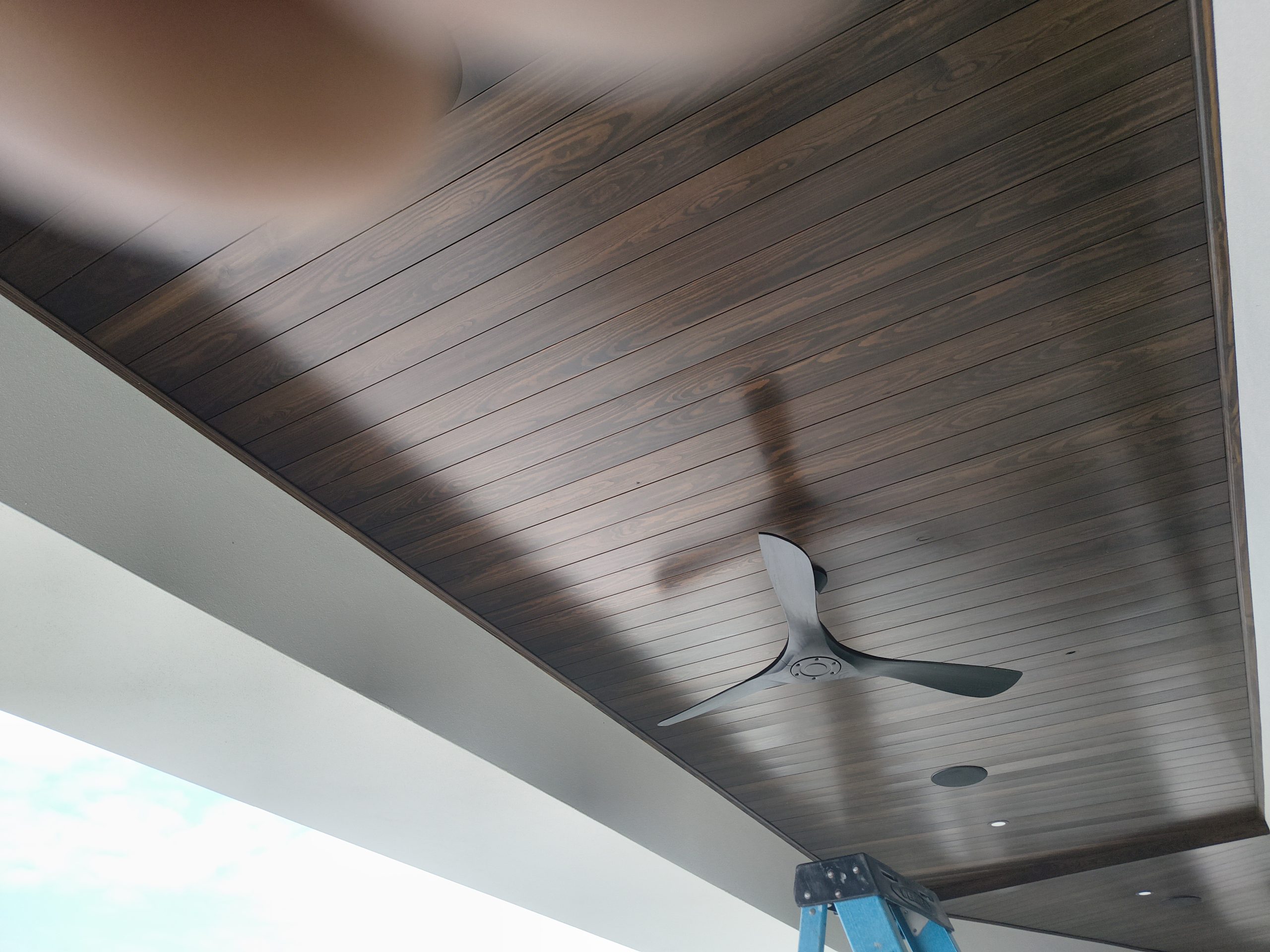
A first kit works better when the tools cover different jobs instead of duplicating the same capability. Measuring and layout tools prevent mistakes; power tools earn their place when they make a recurring cut or fastening job easier to control.
3. Drill/driver: the first power tool I would cover
A drill/driver handles too many ordinary jobs to leave out.
Pilot holes. Screws. Hardware. Anchors. Small assemblies. Cabinet and shelf work. Repairs that would be miserable with a hand screwdriver.
The Makita XFD131 is one current brushless cordless drill/driver kit worth comparing if the LXT platform makes sense for the other tools you may add later. It is not automatically the right answer just because it is cordless.
For a beginner, control matters more than bragging rights. Learn the clutch. Drill a pilot hole when the material calls for it. Stop driving when the screw and material are telling you to stop.
A stripped screw or split board is still a mistake even if the drill had plenty of power left.
4. Circular saw: a practical first step into bigger cuts
A circular saw gives a homeowner a lot of cutting ability without requiring a permanent shop.
Sheet goods, framing lumber, boards, rough breakdown work — it covers the straight cuts that show up again and again.
The DeWalt DWE575SB gives you a current corded 7-1/4-inch model to compare. Corded can make good sense when you normally cut near an outlet or a temporary work station. Cordless makes more sense when moving around matters and you already have the batteries.
Pick the setup that fits the work.
Support the material. Know where the blade is going to exit. Keep the cord, battery, and your hands out of the cutting path. If the cut needs a guide, use one. Freehanding a precision cut is not a time saver.
5. Jigsaw: notches, curves, and the awkward stuff
The circular saw should not be asked to make every cut.
A jigsaw is for the places where the cut curves, turns, starts inside the material, or needs a notch around something.
The DeWalt DCS334B is a current cordless jigsaw to compare if the 20V MAX platform fits you.
A jigsaw earns its keep on cutouts, odd shapes, vents, sink openings, and field corrections. It can save a lot of aggravation when the straight-cut saw is clearly the wrong tool.
Still mark the waste side. Still support the piece. Still let the blade cut instead of twisting the saw through a bad line.
Planning a tongue-and-groove project too? The free 10-page T&G Project Starter Guide gives you a practical checkpoint for materials, tools, sequencing, and mistakes before they get expensive.
6. Random-orbit sander: assembly is not the finish line
A project can be put together correctly and still look rough.
Saw marks, patches, proud edges, finish prep — that is where a random-orbit sander starts paying for the space it takes up.
The Milwaukee 2648-20 is an M18 cordless option to compare if you already use that system.
Do not power-sand every tiny thing just because the tool is sitting there. A sanding block can be quicker on an edge or a small repair.
Use the sander when the surface area justifies it. The goal is a better surface, not sanding for the sake of sanding.
7. Hammer: yes, you still need one
Drills and nailers did not make the hammer useless.
A hammer still handles basic assembly, adjustment, pulling nails, small demolition, and the little corrections that do not deserve another powered tool.
The Estwing E3-12C is a lighter claw-hammer option worth comparing.
For finish-side work, control beats weight. If you are swinging hard enough to damage the piece, stop and find out why it is fighting you. Hitting the problem harder is rarely diagnosis.
8. Adjustable pliers: ordinary repair work needs grip
Something around the house is always going to need to be held, turned, loosened, or tightened.
Adjustable pliers cover a useful amount of that work without pretending to replace the correct wrench, socket, or specialty plier.
I am keeping this one generic. Buy a decent pair that adjusts positively and fits the size of work you normally run into.
And do not use adjustable pliers as an excuse to chew the corners off every nut in the house. If the fastener needs the correct wrench or socket, get the correct wrench or socket.
9. Utility knife: one of those tools you keep reaching for
A utility knife gets used constantly.
Opening boxes. Scoring material. Trimming caulk or masking material. Cutting cardboard. Cleaning up little things that are awkward with scissors or another cutting tool.
Keep this role simple: a folding utility knife with secure blade control is enough for most homeowner work. The exact brand matters less than a mechanism you can operate safely and a blade you will actually replace when it gets dull.
Keep a sharp blade in it. Expose only what you need. Cut away from yourself and anything behind the material that you do not want sliced.
A dull blade usually means more pushing. More pushing is not an improvement.
10. Shop vacuum: the job is not done while the mess is still everywhere
Cleanup belongs in the tool plan.
A shop vacuum handles sawdust, drilling debris, chips, and the normal mess that comes with doing actual work in a house.
I am leaving the brand open here. Pick the size around the work you do and the storage space you actually have. A huge vacuum that stays buried in the garage is not better than a smaller one you will drag into the room.
A shop vacuum also does not magically turn every dusty operation into a complete dust-control system. Follow the tool and material instructions for the work you are doing.
Eye protection belongs with the kit
Safety glasses are not an optional extra because they did not make the numbered ten.
Cutting, drilling, sanding, and flying debris all give your eyes a reason to be protected. The 3M Classic 90953 is one eyewear option to compare, but the protection still has to fit the actual task and the manufacturer’s instructions.
Keep the protection where you will use it. Equipment sitting in a cabinet does not protect anything.
A second look at the hand-tool side
Video: John Malecki — “10 Must-Have Tools For Beginner Woodworkers.”
Want the full tongue-and-groove install order in one place?
I put the layout checks, prep work, tool judgment, fastening sequence, and common mistake fixes into one practical PDF handbook so you are not guessing your way through the job.
Buy in the order your projects demand
You do not need to buy all ten tools Friday night so you can start a shelf Saturday morning.
For a lot of homeowners, the sensible order looks more like this:
- tape measure and square,
- drill/driver,
- hammer, pliers, and utility knife,
- the cutting tool the next real project requires,
- then sanding and cleanup capability as the work grows.
Borrowing or renting can also make more sense than buying something you may use once.
What beginners usually underbuy
Most beginners do not run out of ideas for exciting tools. The weak spots are usually the boring parts of the job.
Layout gets rushed. Cleanup gets treated like something to worry about later. A decent hand tool gets skipped because the battery-powered version looks more interesting.
That is backwards.
A tape and square can prevent a bad cut before it happens. Pliers and a hammer solve little correction jobs without another charger. A vacuum gets the room back under control when the work is done.
The tools that prevent rework deserve just as much attention as the tools that make noise.
After a few projects, the gaps get obvious
You do not have to predict the perfect five-year tool collection on day one.
Do a few real projects and pay attention to what keeps slowing you down.
Maybe the circular saw is fine, but making the same awkward cut with it every time is telling you that a jigsaw belongs in the kit. Maybe your drill is fine and the real problem is having no decent sanding setup. Maybe you keep borrowing a shop vacuum because cleanup is part of every job you do.
That is useful information. Let the work build the next shopping list.
Do not buy the same capability twice
This is where tool buying gets silly.
Say you already own a dependable drill/driver. Another drill on a different battery platform is not automatically an upgrade because the sale price looks good.
Ask what the new tool actually fixes.
Does it give you a cutting ability you do not have? Remove a setup headache that keeps happening? Fit batteries you already own? Make a recurring job easier to control?
Good. Now there is a reason.
If not, leave it on the shelf.
For a woodworking-specific setup, go to Top 10 Must-Have Woodworking Tools for Successful DIY Projects.
If the real decision is cordless tools and battery platforms, use Top 10 Cordless Power Tools for DIY Enthusiasts.
For the narrower power-tool discussion, see The Best Power Tools for DIY.
Build the smallest kit that keeps working
You do not need a garage full of tools to handle normal DIY work.
You need enough capability to measure, mark, drill, fasten, cut, adjust, smooth, and clean up without improvising every basic step.
Start there. Use what already works. Add a tool when the job keeps proving that something is missing.
That makes a better kit than buying ten shiny boxes because a list told you to.
Quick FAQ
Do I need both a circular saw and a jigsaw?
Not on day one. They solve different problems. A circular saw is the stronger general straight-cut tool. A jigsaw is better for notches, curves, and cutouts. Buy the one the current project actually needs. Add the other when that missing capability starts showing up again.
Should my first drill be cordless?
For most homeowner work, cordless is convenient because the drill moves all over the house. Look past the drill itself, though. The battery platform can affect what later tools cost and what you have to keep charged.
Do I need professional-grade tools for DIY projects?
No. Buy for the work and how often you do it. A working tradesman and a homeowner can make different choices because the duty cycle, transport, setup, and replacement cost are different.
What tool should I upgrade first?
Upgrade the one tied to the problem that keeps repeating. Bad cuts every project? Fix the cutting setup. Constant battery and charger headaches? Fix the power system. Let the work point at the upgrade.