
Eco-Friendly Tongue-and-Groove Ceiling Materials
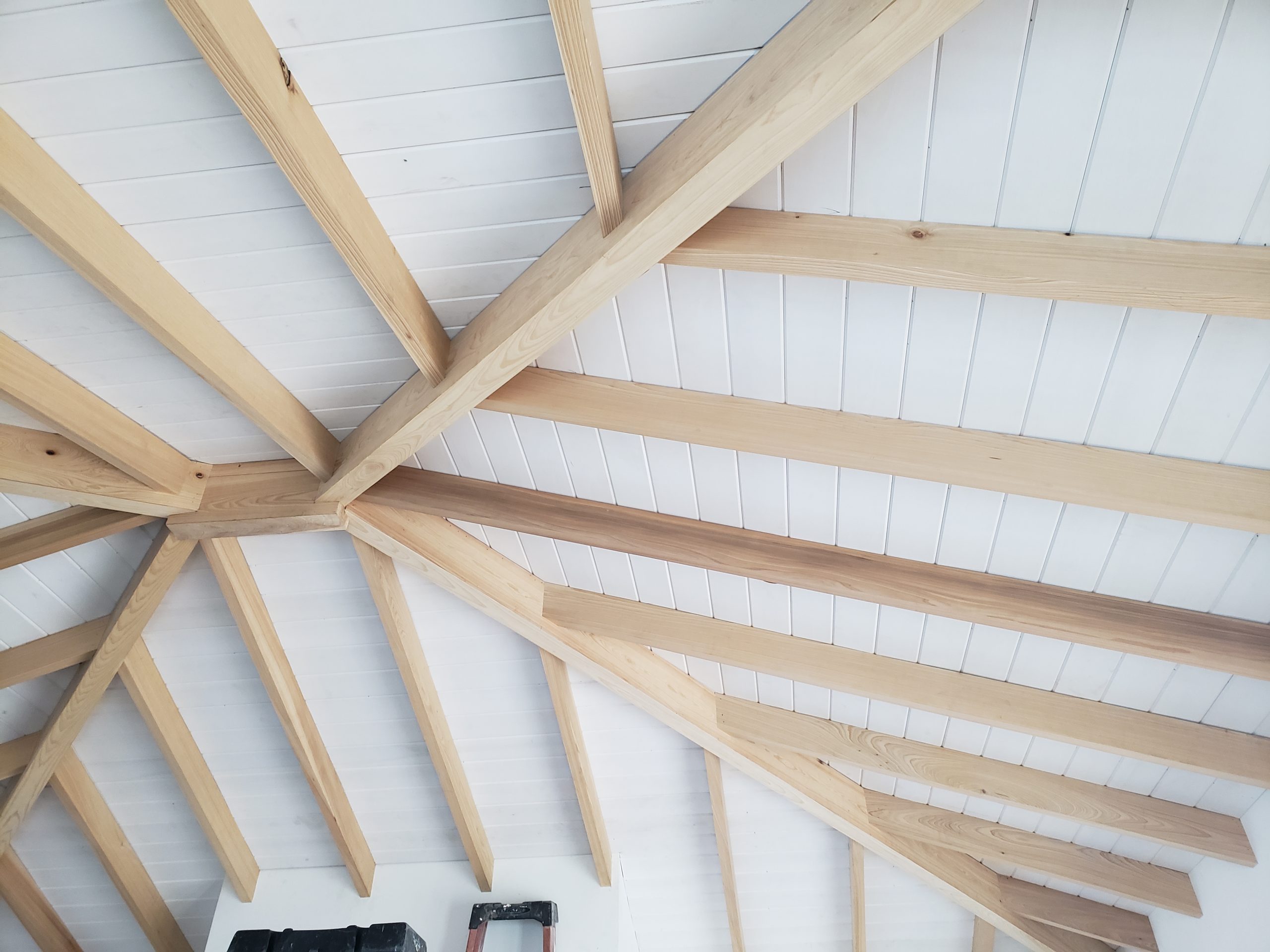
A ceiling material can sound environmentally responsible on the sales page and still be the wrong thing to put over your head. For a tongue-and-groove ceiling, the choice has to survive the whole job: sourcing, room conditions, usable yield, milling quality, finish compatibility, installation waste, maintenance, and how long the ceiling is likely to stay in service.
Start With the Real Sustainability Test
Do not start with the greenest-sounding label. Start with the material that gives you the best combination of documented sourcing, usable yield, room fit, durability, finish compatibility, and maintenance you can live with.
Waste and rework count. If a material has a good sourcing story but arrives badly milled, damaged, unstable for the room, or hard to repair, the job can burn through extra stock and labor. A material that fits the room, installs cleanly, and lasts can be the better practical choice even if the marketing sounds less exciting.
Ask for Evidence, Not Marketing Language
Words like sustainable, natural, renewable, and eco-friendly are not proof by themselves. When sourcing or certification matters to your decision, ask what documentation actually supports the claim. If a seller or manufacturer identifies a certification, source standard, recycled content, or other environmental attribute, verify that specific claim before treating it as a reason to buy.
The same rule applies to indoor-air and chemistry claims. The board is only one part of the finished system. Adhesives, sealants, primers, stains, and protective finishes can all matter. Keep the claim at the level the product documentation actually supports.
Rule of Thumb: The greenest ceiling is not always the one with the prettiest sustainability story on the tag. It is the one that came from a better source, finished cleanly, fit the room, and stayed put long enough that you do not tear it down in five years.
Want the full tongue-and-groove install order in one place?
I put the layout checks, prep work, tool judgment, fastening sequence, and common mistake fixes into one practical PDF handbook so you are not guessing your way through the job.
Reclaimed Wood: Strong Reuse Story, More Sorting
Reclaimed wood can be a strong option because it gives existing material another use instead of starting with new stock. It can also bring character that new material cannot duplicate.
The tradeoff is inspection and preparation. Reclaimed stock may contain embedded metal, damaged edges, inconsistent thickness, old coatings, irregular milling, or profile differences. Those conditions can increase sorting, cutting, sanding, fitting, and waste.
Reclaimed wood earns its place when the stock is good enough to become a ceiling without a salvage operation inside the salvage operation. Sort it hard. A board with a great story but a ruined profile is still a ruined board.
Free 10-Page Field Guide
Catch the Mistake While It Is Still a Decision
Get the free T&G Project Starter Guide for the planning, setup, installation, and hard-stop checks that are cheapest to fix before finished boards cover them up.
No purchase required. One practical T&G starting guide.
Responsibly Sourced Common Wood Can Be the Smarter Choice
A common domestic wood with good milling and responsible sourcing can be a very practical eco-conscious choice. Predictable dimensions, ready availability, repairability, and a clean installation can matter more than an exotic label.
If the material arrives straight, consistent, and suited to the room, you may waste less stock, make fewer correction cuts, and spend less time trying to force bad boards into a finish ceiling. That is not just a labor issue. It is part of the sustainability decision.
Common wood is not automatically the compromise choice. If it mills clean, fits the room, takes the planned finish well, and can be repaired later, that ordinary board may be the smarter ceiling material.
Bamboo and Engineered Alternatives Need Product-Specific Verification
Bamboo and engineered alternatives can be worth considering, but the category name does not tell you enough. Verify the actual product.
Processing method, binders or adhesives, finish system, profile, repairability, installation instructions, availability, and room suitability can differ from one product to another. Do not assume every bamboo or engineered T&G product behaves the same way.
If the product fits the design and the manufacturer documentation answers the questions that matter, keep it in the comparison. If the details are vague, do not fill the blanks with optimism.
A Greener Material Can Still Be Wrong for the Room
Room conditions can turn a good material into a bad choice. Moisture, seasonal changes, sunlight, temperature swings, and the actual service environment all affect material behavior.
Do not use one universal acclimation time, moisture-content number, or humidity target for every T&G product. Verify the specific material, manufacturer guidance, meter method when applicable, shipping history, and actual jobsite conditions.
Wood movement also cannot be reduced to a simple softwood-versus-hardwood rule. Species, grain orientation, cut, board width, moisture change, environment, and the specific product all matter.
If the room is a poor fit for the material, replacement and repair can erase the benefit you thought you were buying.
The Finish System Is Part of the Material Decision
A ceiling material does not live by itself. The finish system changes appearance, maintenance, repairability, and sometimes installation behavior.
If you plan to stain, paint, seal, or otherwise coat the material, make that part of the buying decision. Test the intended system on the actual material when practical. Product-specific instructions control surface preparation, compatibility, drying, recoating, ventilation, and cure requirements.
A finish that creates fit problems at tongues and grooves, highlights bad prep, or becomes difficult to repair can turn a good board choice into a frustrating ceiling.
For the finish side of the job, see How to Achieve a Professional Finish on Tongue-and-Groove Ceilings.
Waste and Usable Yield Matter More Than the Sticker Price
Two stacks with the same square footage on the label can produce very different amounts of usable ceiling.
Bad milling, defects, split ends, damaged profiles, inconsistent reclaimed stock, and poor planning can increase waste. That is why usable yield matters when you compare materials.
Herb’s grandfather had a simple rule: “The last six inches cost just as much as the first six.” Keep usable cutoffs until the project is finished. A cutoff may become finished material later, or it may serve as a tapping block, spacer, protector, test piece, or setup aid.
That does not mean you should count every cutoff as reusable finished material when estimating the order. It means do not throw away useful material before the job tells you what it can still do.
Durability Is Part of Practical Sustainability
A ceiling that stays serviceable and visually acceptable is usually a better use of material than one that looks good on paper but needs early replacement.
That does not mean the hardest or most expensive material always wins. The right question is whether the material can remain stable, visually acceptable, maintainable, and repairable in the actual room.
A ceiling that stays in service without major rework generally makes more sense than a fashionable option that creates repeated problems.
Compare Eco-Friendly Tongue-and-Groove Ceiling Materials by Priority
If reuse and character are your main priorities, reclaimed wood may be the best lane, provided the stock is sound enough to produce a reasonable usable yield.
If predictable installation, availability, and value matter most, a responsibly sourced common wood may be the cleaner decision.
If you want a different aesthetic or a specific product system, a verified bamboo or engineered option may fit, but the product details need to carry the claim.
None of those choices gets to win because of a label. Reuse points you toward reclaimed stock. Predictable installation and easy replacement may point you toward a common responsibly sourced wood. A different look or product system may point you toward a verified bamboo or engineered option. The final choice still depends on evidence, room fit, expected life, finish requirements, and likely waste.
Tools Should Protect the Material, Not Drive the Decision
The material choice comes first. The tools only matter when they protect fit, finish, yield, or safety.
Measurement and layout tools help prevent bad cuts and drift. A clean cutting setup protects usable stock. A moisture meter can be useful when the material and method call for it, but the reading has to be interpreted according to the specific material and manufacturer guidance. Sanding and finish-prep tools matter when they prevent visible defects. Fastening has to match the actual board and assembly rather than a universal gauge rule.
Buy the tool role before the brand or model. If a tool does not protect the material, the fit, the finish, the yield, or the installer, it does not belong in this material-selection decision. A product link should never decide what the job needs.
Bottom Line
The best eco-friendly tongue-and-groove ceiling material is not the one with the greenest description. It is the one with supported sourcing, a good fit for the room, a compatible finish system, reasonable usable yield, and a service life that justifies the work.
Choose by evidence and consequences. Then plan the installation around the material you actually bought.
For broader wood-selection guidance, continue to the site’s wood-choice guide. For finish planning, use the professional-finish guide.