
Discover the Best Woodworking Designs for Your Next Project
Discover the Best Woodworking Designs for Your Next Project
This guide takes the title seriously and stays practical. The point is not to romanticize the topic or drown it in gear. It is to show what matters first, where the common mistakes come from, and which tools actually help the work go cleaner.
If you want a related angle on this, Unlock Your Creativity with Woodworking Classes: Everything You Need to Know gives you another practical lane to compare before you lock the next step in.
Gage’s Rule of Thumb: A design earns its keep when you can actually build it with the tools, space, and patience you really have.
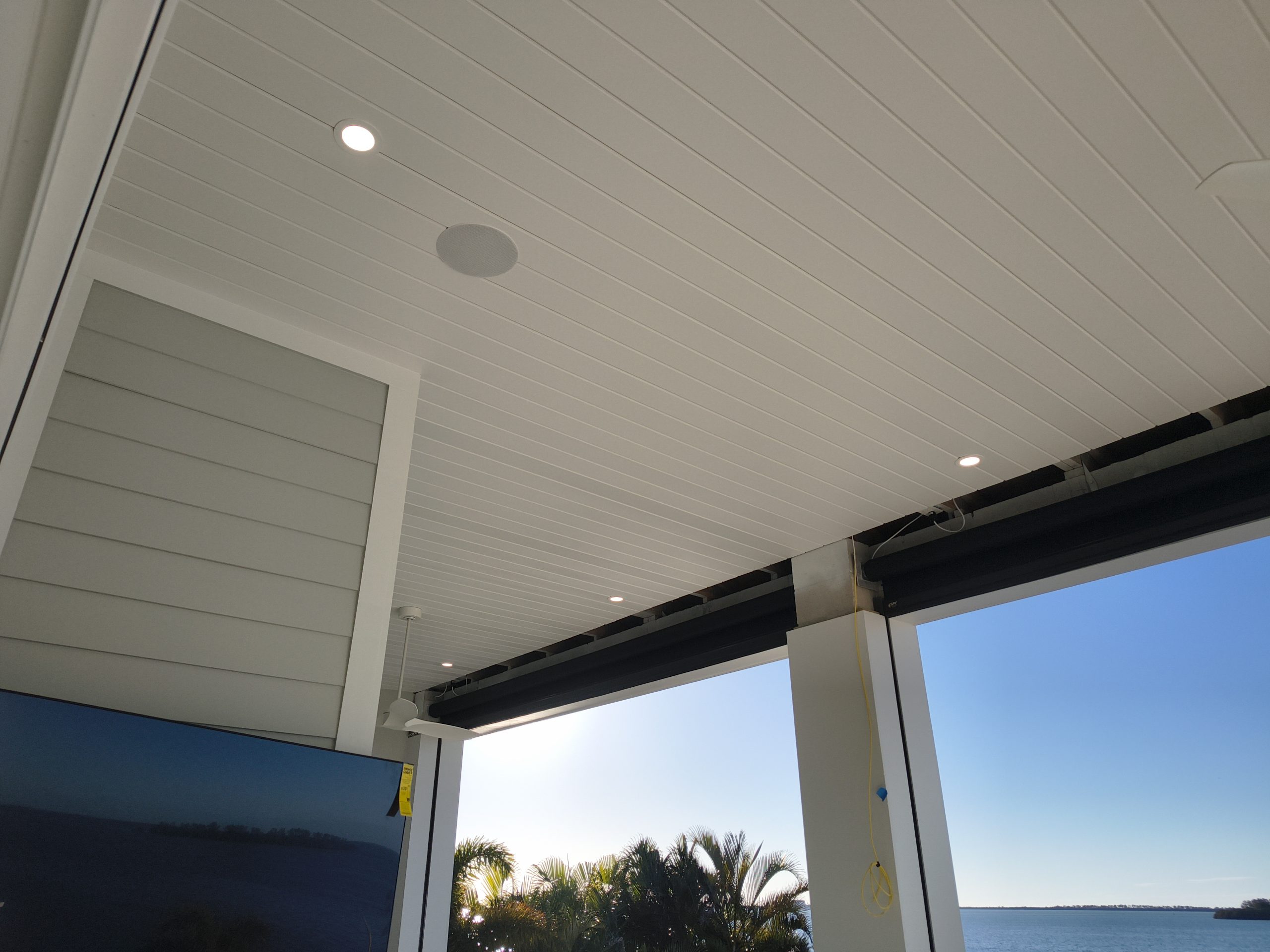
Good woodworking designs start with use, not with a cool photo
It is easy to collect project ideas. It is harder to choose a design that still makes sense once lumber, room size, and time are real. Good woodworking design starts with use. What is the piece supposed to do, where will it live, and how much visual weight can that room handle without feeling crowded?
If you want a related angle on this, Top 10 Must-Have Woodworking Tools for Successful DIY Projects gives you another practical lane to compare before you lock the next step in.
That question matters because a design that looks great online may be wrong for your material, your tools, or your space. A thin console with delicate stretchers might photograph beautifully and still be a bad fit for a beginner with rough lumber and one weekend.
The smartest move is to choose designs that match the way you actually build. If your strength is careful straight cuts and clean assembly, start there. If you want to experiment with curves or decorative details, introduce them gradually instead of making them the entire identity of the project.
Pick projects that match your current skill and shop reality
Design ideas should stretch you without setting up a failure. A wall shelf, bench, stool, planter, side table, or simple built-in can still teach proportion, edge treatment, finishing, and layout without demanding a full furniture shop.
This is where practical tools help keep design exploration grounded. A Makita jigsaw opens the door to curves and softer lines. A Milwaukee circular saw handles breakdown when you’re still testing dimensions. A DeWalt drill/driver lets you mock up joinery or assemble a prototype without turning the whole design phase into a major production.
If the project needs complicated joinery, compound angles, and expensive stock all at once, it may be a great aspiration piece and a poor next project. There is no shame in choosing a cleaner runway.
Scale and proportion decide whether the design feels right
A lot of mediocre projects fail at the design level long before the workmanship becomes the issue. Shelves are too deep, legs are too heavy, aprons are too tall, and decorative elements are added without considering the whole piece. These are design problems, not tool problems.
A simple square and mock-up process can save you here. Mark the footprint on the floor. Tape the height on the wall. Cut scraps to represent thickness. When you see the piece at full scale, proportion mistakes become obvious faster than they do on paper.
This is one reason lightweight setup tools matter. Sawhorses and a basic layout workflow let you test ideas quickly instead of fully committing to a design that only looked good in your head.
Let the wood and the room influence the design
Woodworking design gets stronger when the material and the room are part of the conversation. A bold grain pattern may want simpler lines. A small room may need a piece with visual lift instead of a big heavy base. A painted project can tolerate a different level of detail than a piece built to celebrate the wood itself.
That does not mean every design needs to be precious. It means the design should respect context. Rustic, modern, farmhouse, and traditional are all workable directions, but the piece still has to belong where it’s going.
A sander, a square, and good breakdown tools all support that process because they let you tune parts cleanly as the design firms up. The goal is not artistic suffering. The goal is a project that looks like it belongs.
Curves, cutouts, and details should solve a problem
The jigsaw and sander in this toolkit are useful because they allow detail work, but details only help when they add something. A soft corner can make a bench feel friendlier. A gentle curve can reduce visual heaviness. A cutout may create clearance or rhythm. Decorative choices need a reason beyond trying to prove effort.
This is where many project ideas go off the rails. Every edge gets an accent, every panel gets a pattern, and the build loses focus. Simpler details often age better because they let the proportions and materials do the talking.
If you are unsure, build the cleaner version first. You can always add detail later. It is much harder to remove a fussy choice once it is built into the project.
Bottom line
The best woodworking designs are not always the flashiest ones. They are the designs that fit the room, the material, the skill level, and the amount of time you can honestly give the project.
Choose builds that let you execute well, use detail with restraint, and check proportion before you cut too much stock. If you do that, your next project will feel more deliberate and a lot less like a guess.
Mock-ups are a design tool, not a beginner crutch
A quick mock-up in cheap material can tell you more about a design than another hour of staring at inspiration photos. It reveals awkward shelf heights, overbuilt bases, and proportions that looked fine on paper but feel wrong in the room.
That small step saves time because it lets you correct the design while the cost is still low. Good designers don’t guess less because they are smarter. They guess less because they test sooner.
Bottom line for choosing the next design
Pick the project that gives you the best chance of finishing well. That usually means clear dimensions, manageable stock, and just enough detail to keep the project interesting without turning it into a grind.
A finished, well-proportioned project teaches more than an abandoned ambitious one. That is the design discipline worth carrying into the next build.
Let function lead the look
A strong design still has to survive daily use. Storage pieces need access, benches need comfortable dimensions, and accent pieces still have to sit level and stable in a real room. Function is not the enemy of style; it is what keeps style from feeling cheap once the project leaves the shop.
When the function is clear, the design choices get easier. You know where you can simplify, where you can add character, and which details are worth the trouble.
Related reads
- Best Woodworking Workshops: Master Your Craft with Expert Guidance
- Transform Your Space: A Comprehensive Guide to Tongue and Groove Ceiling Installation
That’s it for today, folks. Hope this helps you with your projects. Enjoy the day. I’ll see you on the next one.