
Discover the Best Tools for Tongue and Groove Ceilings
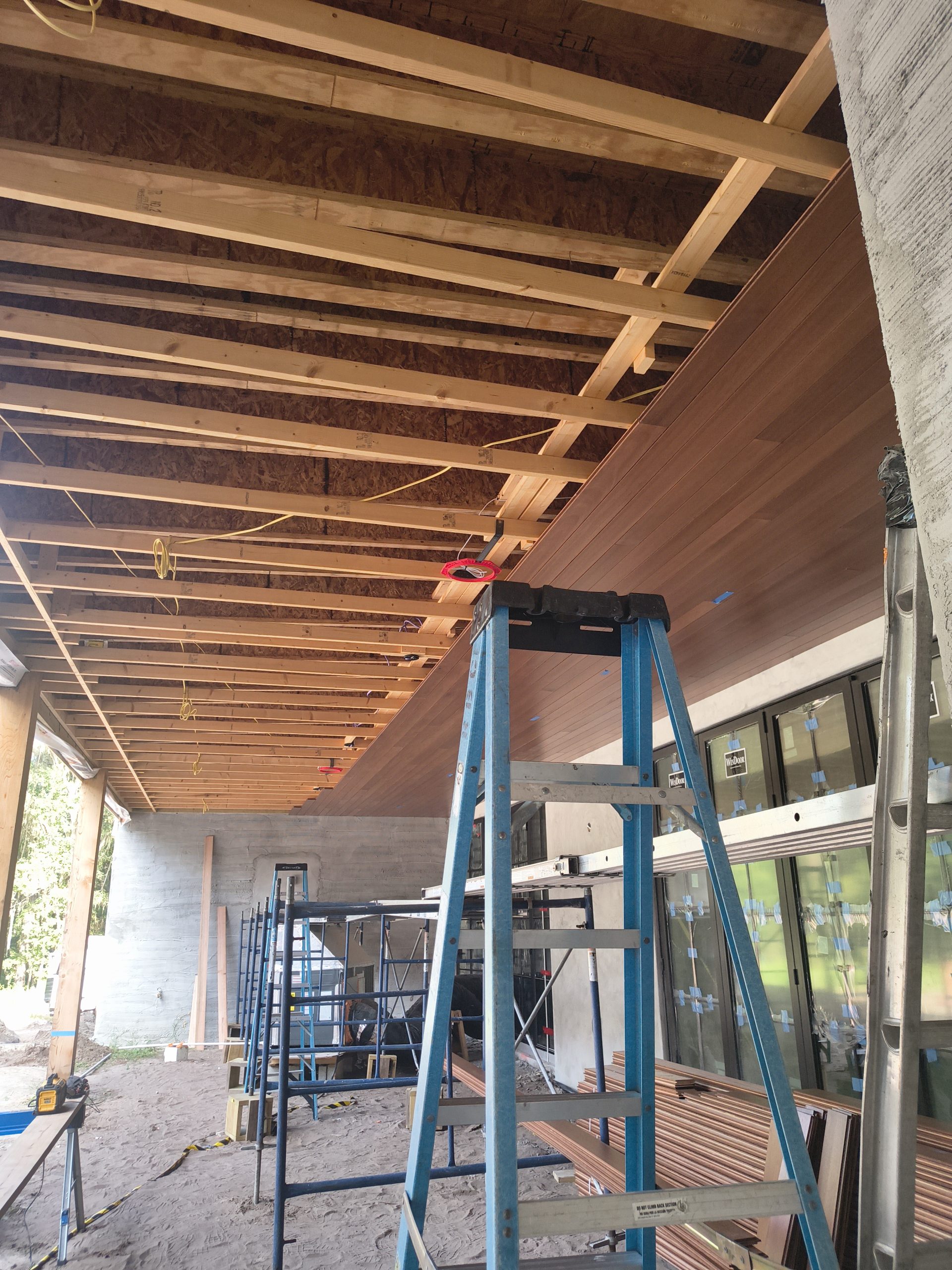
A top-rated tool list should not read like catalog copy. The tools worth rating highly on a tongue-and-groove ceiling are the ones that still feel right after repeat cuts, awkward footing, trim touchups, and the little corrections that separate a polished job from a sloppy one.
If you want another ceiling-side tool breakdown before you spend money, read 5 Best Tools for Tongue and Groove Ceiling Installation.
Some tools earn good reputations because they solve real friction points. Cleaner sight lines. Better dust control. Lighter feel in the hand. Faster setup. Less adjustment drift. That is the standard here. I am not calling something top-rated because the box looks nice.
Start with the part of the job that can ruin the rest
When people ask for the best tools for tongue-and-groove ceilings, what they usually want is fewer regrets. They want fewer tools that feel heavy, awkward, underpowered, or rough on finished material. That is why this list leans on tools that make the work calmer. A solid tape, a premium miter saw, and a dependable table saw all make the room easier to control before you ever start talking about fasteners.
Gage’s Rule of Thumb: A tool gets top-shelf status with me when it cuts frustration, not when it only raises the receipt total. If the tool does not save aggravation on a real ceiling, I don’t care how pretty the brochure is.
Cutting tools matter because ceiling work shows every ugly cut
For the bigger install sequence around these choices, see Discover the Ultimate Top-Rated Tools for Tongue and Groove Ceiling Installation.
A jigsaw makes the list because the room never stays as clean as the plan. Soffits, boxes, vents, beams, speakers, and weird corner conditions show up. That is where rough coping and desperate nibbling ruin otherwise good material. A dependable jigsaw keeps the weird cuts from becoming panic cuts.
Fastening, access, and correction tools decide whether the room stays under control
A good finish nailer and trim pry bar both deserve high marks for a simple reason: ceiling work is not only about putting boards up. It is also about saving a board, correcting a miss, and keeping the repair invisible. Once the job starts fighting back, tool quality becomes easier to notice.
What earns a spot on this list
The same thing happens with finishing tools. A sander with good control keeps edge cleanup from turning into a scratch pattern problem. A work light keeps your eye honest. A surprising number of bad joints look acceptable until the room lighting changes. Better light shows the truth while you still have time to fix it.
- Komelon 35ft Tape: A long tape helps on bigger rooms because you can check spans and diagonals without fighting short stand-out.
- Festool Kapex KS 120 REB: A premium miter saw earns its keep when cut quality, repeatability, and clean bevel work matter more than saving a few bucks up front.
- Bosch JS470E: A jigsaw becomes a top-rated tool when the job has vents, posts, beams, or weird corners that would be miserable to fake by hand.
- SKIL TS6307-00: A good table saw is what keeps your ripped edge from looking homemade on the starter or finish row.
- Metabo HPT NT65MA4: A pneumatic 15-gauge nailer still deserves serious respect when you want light weight, fast cycling, and a familiar feel.
- Vaughan Trim Pry Family: A thin trim pry bar saves boards, trim, and sanity when you need to sneak something apart without wrecking the room.
- Festool ETS EC 125: A quality sander cleans up edge work, filler touchups, and finish prep without leaving ugly swirl marks everywhere.
- Milwaukee 2361-20: A compact work light is one of those tools people underrate until poor visibility starts causing bad cuts and missed fasteners.
How I would prioritize the buying order
Top-rated tools don’t all have to be premium. But where a premium tool clearly buys repeatability, visibility, or finish quality, I am willing to say so plainly. That is the difference between good enough and worth owning. If I had to prioritize, I would get the layout tools and fastening tools first, then the major cutting tool, then the access and cleanup pieces. On this title, the early winners are Komelon 35ft Tape, Festool Kapex KS 120 REB, Bosch JS470E, SKIL TS6307-00…
The reason top-rated and most-expensive are not the same thing is because different tools solve different pain points. Some earn their value through durability. Some earn it through lighter feel or cleaner controls. Some earn it because they are simply less irritating to use for a long stretch. Ceiling work makes those differences obvious fast.
One thing I also watch is whether the tool helps the room stay calm when the plan changes. If a board needs a correction cut, if the finish row gets tight, or if the trim line is uglier than expected, a well-behaved tool keeps you from compounding the problem. That matters more to me than a long feature list.
Top-rated tools also tend to protect material. They leave fewer ugly marks, fewer ragged edges, and fewer rushed corrections. On tongue-and-groove jobs, saving even a handful of boards from unnecessary waste changes the feel of the project and the final cost.
So when I say a tool is top-rated for this work, I am really saying it has proved it can stay useful when fatigue, repetition, and real room conditions start testing it. That is where lightweight opinions stop mattering and actual jobsite value begins.
Another thing a true top-rated list has to respect is cleanup and correction time. Tools that leave cleaner edges, cleaner fastener placement, and better visibility reduce the amount of rescue work at the end. That may not sound glamorous, but it’s one of the fastest ways a tool proves whether it deserves the praise people give it.
I also pay attention to how these tools behave when you are tired. Ceiling work asks for repeat cuts, repeated overhead movement, and repeated checking. A top-rated tool should still feel trustworthy at the end of the session. If it only feels good in the first ten minutes, it is not top-rated for me.
That is why I am comfortable mixing premium picks with value picks here. The test is not price. The test is whether the tool helps the ceiling stay clean, straight, and controlled when the day starts getting long.
Bottom line
The best tools for tongue-and-groove ceilings are the ones that keep paying you back in setup speed, cut quality, and cleaner correction work. That is what makes them top-rated in the only way that matters.
Related reads
- Tools and Techniques for Perfect Tongue and Groove Ceiling Installation
- Transform Your Space: A Comprehensive Guide to Tongue and Groove Ceiling Installation
That’s it for today, folks. Hope this helps you with your projects. Enjoy the day. I’ll see you on the next one.