
Craftsman Woodworking Mastery: Unlocking the Secrets of Fine Woodcraft
Related reads
- Essential Tips for Woodworking for Beginners
- Transform Your Space: A Comprehensive Guide to Tongue and Groove Ceiling Installation
Craftsman Woodworking Mastery: Unlocking the Secrets of Fine Woodcraft
Fine woodworking looks elegant on the finished piece, but it is built on ordinary discipline. Good boards are chosen carefully, reference faces are established early, cuts are made from those references, and the finish only goes on after the work is truly ready for it.
If you want a related angle on this, read Unlock Your Creativity with Woodworking Classes: Everything You Need to Know.
Gage’s Rule of Thumb: Fine woodcraft gets easier when the stock is flat, the lines are honest, and the joinery matches the piece instead of the fantasy.
That is the part a lot of readers need to hear. Craftsman-level woodworking is not a secret society. It is a way of working that values sequence, patience, and clean habits more than drama. The tools matter, but they matter because they help you stay consistent.
This guide treats craftsmanship that way. It covers how to think about stock, layout, cutting, fitting, cleanup, and finish prep so the work starts looking intentional instead of lucky.
Mastery starts before the first cut
The biggest jump in woodworking quality usually comes before the saw turns on. It starts with choosing straighter stock, reading grain direction, and deciding which face and edge will become your references. If that part is sloppy, every cut afterward feels like a rescue operation.
Good woodworkers do not just attack the lumber. They study it. They ask which face should be shown, where the grain will help or fight the cut, and how the part will move after assembly. That slow look saves a lot of grief later.
For another practical comparison, see Unlocking the Secrets of Wood Finishing Techniques.
Milling and dimensioning are where projects get honest
A fine piece can still fail if the parts are inconsistent. When legs differ slightly or panels are not truly square, you start compensating everywhere else. That compensation is what makes joints fussy, glue-ups stressful, and reveals look accidental.
That is why dimensioning matters so much. The worker who mills carefully usually has an easier time with joinery, fitting, and finish because the project starts from honest parts. The worker who rushes stock prep usually spends the rest of the build trying to hide the drift.
The tool layer that actually supports fine woodcraft
A broad woodworking guide does not need every tool in the catalog. It needs tools that reinforce straightness, clean surfaces, and controlled fitting.
- Bosch 4100 Table Saw: A dependable table saw handles straight rips, repeatable shoulders, and accurate dimensioning that fine work depends on.
- Festool TS 55: A track saw keeps sheet goods and wide panels under control before they ever reach the bench or cabinet saw.
- Bosch JS470E: A jigsaw earns its keep on shaped aprons, relief cuts, and delicate trimming where a straight-line tool is the wrong move.
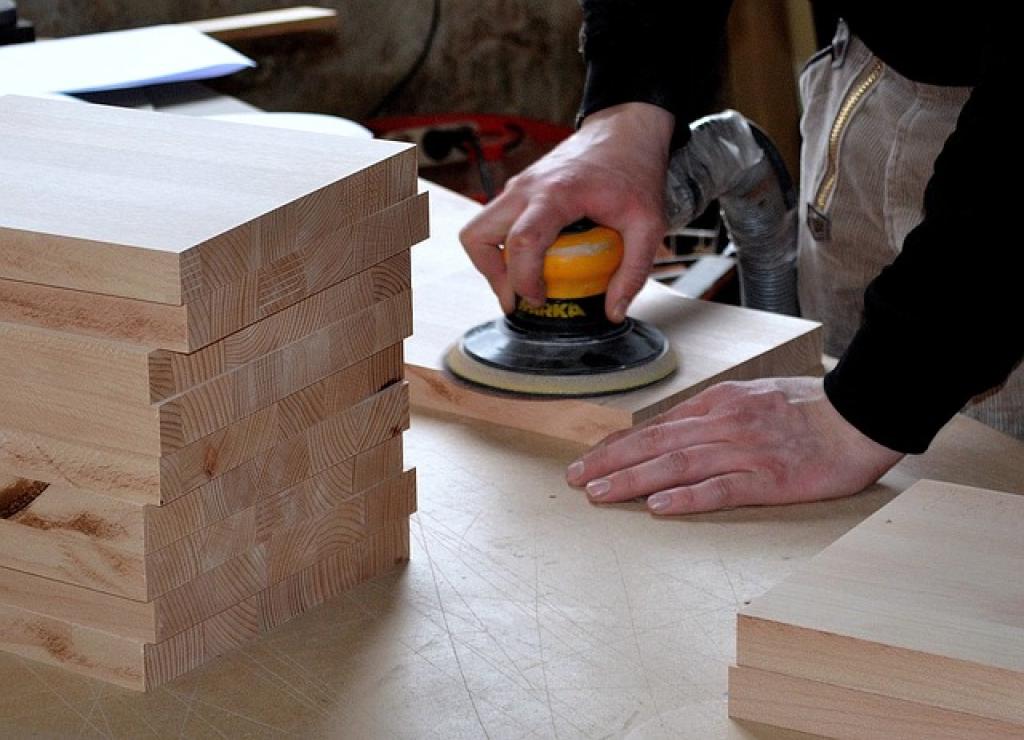
- DeWalt DWE6423: A random orbital sander helps refine surfaces without washing out edges when you stay disciplined about grit progression.
- Ridgid R86115: A drill/driver belongs in fine woodworking for hardware, jigs, pilot holes, and careful assembly work.
- Swanson 7in Speed Square: A square keeps layout honest and reminds you that craftsmanship starts before the blade spins.
- Festool CT series: Dust control matters in fine work because clean surfaces, clean air, and cleaner finish prep all start here.
- Milwaukee 2361-20: A work light helps you catch tear-out, glue squeeze-out, and sanding scratches before the finish exposes them.
Joinery should match the piece, not the ego
There is no prize for using a more complicated joint than the project needs. A simple joint executed cleanly will outclass a fancy joint cut carelessly. Choose joinery based on load, alignment, appearance, and how visible the edge will be in the finished piece.
That matters in fine woodcraft because elegance often comes from restraint. Good proportions and crisp fit usually matter more than showing off the most elaborate joint you know how to cut.
Surface prep is part of the craftsmanship, not a cleanup chore
Many pieces look good until the finish goes on. Then the glue smear, sanding scratch, torn grain, and sloppy edge easing all show up at once. Surface prep is where careful workers separate themselves from impatient ones.
Good sanding is deliberate. You remove the marks from the previous grit, protect edges that should stay crisp, and use lighting to catch the scratches that are still sitting there. A work light and a dust extractor may not sound romantic, but they prevent a lot of ugly surprises.
The workflow matters as much as the tool quality
A well-equipped shop still produces mediocre work if the sequence is weak. Milling, layout, cutting, dry fitting, cleanup, and finishing all need to happen in the right order. Skipping around usually creates twice the work.
That is why mastery is so often a systems problem. It is not only about skill with a blade. It is about repeating a sane sequence until clean work becomes normal.
How better stock choices make every later step easier
Experienced woodworkers rarely brag about picking lumber, but they benefit from it every day. Straighter stock means less twisting during assembly, cleaner milling, and fewer surprise gaps when parts finally meet each other. A lot of fine work is really the result of choosing fewer bad boards at the beginning.
That selection step also affects visual quality. Grain direction, color match, and board character determine whether a finished piece feels unified or random. Fine woodcraft pays attention to that because the work is supposed to feel deliberate from the first glance to the last touch.
Why dry fitting belongs in serious craftsmanship
Dry fitting is where confidence gets replaced by evidence. It tells you whether the parts actually align, whether the joint wants to rack, and whether any shoulder or edge is lying to you. When readers skip dry fitting, they are usually replacing truth with hope.
A careful dry fit also helps with clamping strategy. You find out where pressure should go, what wants to move first, and where cauls or spacers may save the day. Those are not glamorous details, but they are exactly what keep glue-ups from becoming panicked corrections.
Finishing should support the piece, not rescue it
A finish can deepen color, protect the surface, and highlight the grain, but it cannot turn weak craftsmanship into strong craftsmanship. If there are sanding scratches, misaligned transitions, or visible glue, the finish often makes them easier to see, not harder.
That is why finish prep deserves patience. Clean surfaces, consistent edge treatment, and dust control do more for the final look than chasing a more exotic product. The best finish in the world still wants an honest substrate.
Bottom line
Craftsman woodworking is not built on fancy language. It is built on accurate stock prep, sensible joinery, honest references, clean surfaces, and patient finish work. If the reader tightens those habits up, the work starts looking more deliberate fast.
Quick FAQ
What improves woodworking quality fastest? Better stock prep and better reference control.
Do I need premium tools for fine woodcraft? No, but you do need tools that stay accurate and support repeatable work.
Can finish hide weak craftsmanship? Only a little. Finish tends to expose the shortcuts, not erase them.
That’s it for today, folks. Hope this helps you with your projects. Enjoy the day. I’ll see you on the next one.