
User-Reviewed Tongue and Groove Installation Tools: A Comprehensive Guide
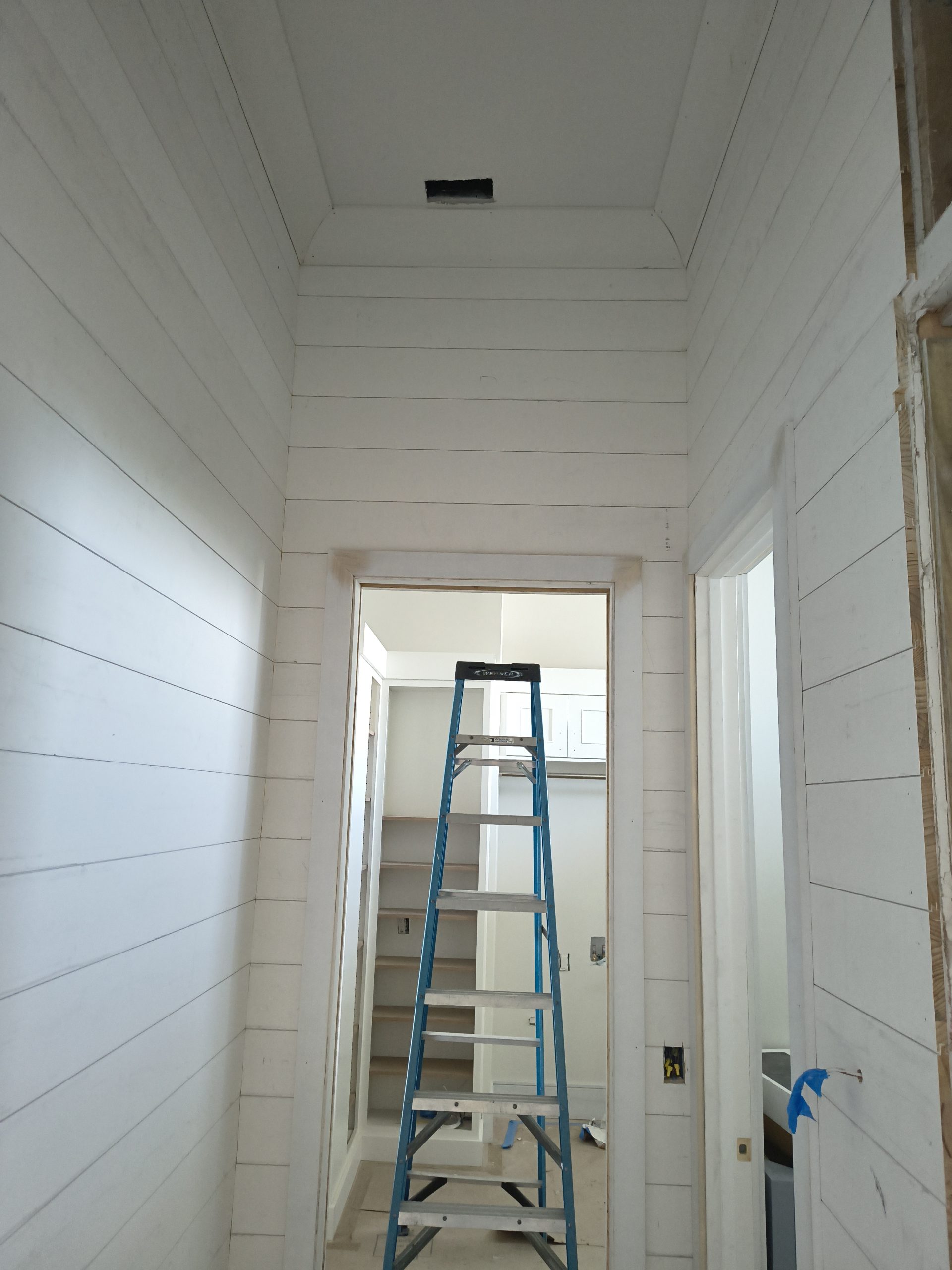
The user-reviewed angle matters because people remember what a tool feels like after the first hour. They remember the balance, the visibility, the trigger feel, the cut quality, and whether the tool keeps solving problems or starts making new ones.
If you want another ceiling-side tool breakdown before you spend money, read 5 Best Tools for Tongue and Groove Ceiling Installation.
I am not interested in fake star ratings here. I am interested in the recurring themes that show up when people actually live with installation tools. That is more useful than pretending every tool is loved for the same reasons.
Start with the part of the job that can ruin the rest
On tongue-and-groove work, the first things people keep talking about are control and comfort. A tape measure that rides well. A miter saw that cuts clean and sets up without drama. A jigsaw that does not feel clumsy in tight spaces. Those are the kinds of details that keep coming up because they shape the day.
Gage’s Rule of Thumb: When people keep the same tool in the rotation, it’s usually because the tool behaves predictably. Fancy features lose the argument fast if the tool gets annoying halfway through the job.
Cutting tools matter because ceiling work shows every ugly cut
For the bigger install sequence around these choices, see Tongue and Groove Ceiling Installation Tools: A Comprehensive Guide.
Fastening tools get judged hard in the real world. A drill driver or impact driver that feels nose-heavy or twitchy gets old quick. A finish nailer that cycles cleanly and leaves fewer ugly surprises gets remembered for the right reasons. That is especially true on finished material where a mistake is hard to hide.
Fastening, access, and correction tools decide whether the room stays under control
The user-reviewed lens also catches tools people overlook. Hearing protection and safety glasses only feel small until they are uncomfortable enough to come off. Then they become a real jobsite problem. Comfort, seal, weight, and visibility all matter more than the packaging wants you to think.
What earns a spot on this list
Finish quality tools get the same treatment. A sander is easy to dismiss until you spend your afternoon fixing a rough scratch pattern or trying to feather a touchup that keeps telegraphing through the finish. Tools that leave cleaner results get talked about because cleanup is part of the install, not an afterthought.
- Makita 25ft Tape: A simple tape that rides well in the pouch still matters because people keep tools that are easy to live with.
- Milwaukee 2734-20: A cordless miter saw gets praise when people want mobility and clean setup without being tied to one outlet plan.
- Craftsman CMCS600B: A cordless jigsaw gets noticed when installers need quick notch work without dragging another cord through the room.
- Milwaukee 2804-20: A drill driver gets talked about for balance, clutch feel, and whether it survives day-after-day setup work.
- Makita XDT16Z: An impact driver earns reviews based on trigger control, size, and how much it beats up your hand over time.
- Makita AF635: A pneumatic 15-gauge finish nailer still gets strong support from people who value light weight and predictable cycling.
- Festool RO 150 FEQ: A premium sander gets remembered when it leaves a cleaner finish and wastes less time fixing scratch patterns.
- Howard Leight Impact Sport: Hearing protection gets recommended when it’s comfortable enough to stay on through saw and nailer noise.
- 3M Classic 90953: Basic safety glasses still matter because people only appreciate them after the first chip comes back at their face.
How I would prioritize the buying order
So a user-reviewed guide is not about quoting strangers for the sake of it. It is about respecting the kinds of praise and complaints that keep repeating once a tool has been used enough to reveal its habits. If I had to prioritize, I would get the layout tools and fastening tools first, then the major cutting tool, then the access and cleanup pieces. On this title, the early winners are Makita 25ft Tape, Milwaukee 2734-20, Craftsman CMCS600B, Milwaukee 2804-20…
Another reason user feedback matters is that ceiling work magnifies little annoyances. A tool that is only a little awkward on a bench can feel much worse when you’re reaching, turning, and looking overhead for long stretches. The gear that stays easy to handle gets remembered for good reason.
I also pay attention to whether a tool forgives real jobsite conditions. Predictable trigger control, manageable weight, clear sight lines, and easy adjustment all matter more once the room gets hot, loud, or awkward. Tools that stay calm under those conditions earn their reputation honestly.
A user-reviewed perspective also helps filter out hype. Buyers and working users quickly reveal whether a tool is only exciting on day one or whether it still feels worth grabbing six months later. That is the kind of memory I care about.
So this list uses the user-reviewed angle the right way: not as fake testimonials, but as repeated practical standards for what makes a tool stay in the rotation.
Comfort and balance matter on a ceiling more than they do on a bench. That is why user-reviewed opinions often sound more emotional than spec sheets. People remember the tool that fought them. They also remember the one that quietly stayed out of the way and let them work.
The same thing is true with support gear. A pair of muffs or glasses that stays comfortable earns more praise than a technically impressive piece of gear that keeps getting taken off. Real-world feedback always drifts back toward what people can live with for a whole job.
That is why this list is less about buzz and more about recurring behavior. If a tool keeps showing up in the good pile after people have used it, corrected with it, carried it, and cleaned up with it, that says more than any launch video ever will.
Bottom line
The best user-reviewed tongue-and-groove installation tools are the ones that stay predictable, comfortable, and clean when the work stops being new and starts being repetitive. That is where the truth comes out.
Related reads
- Exploring the Evolution of Tongue and Groove Installation Tools
- Transform Your Space: A Comprehensive Guide to Tongue and Groove Ceiling Installation
That’s it for today, folks. Hope this helps you with your projects. Enjoy the day. I’ll see you on the next one.