
Sustainable Woodworking Practices: A Guide to Eco-Friendly Crafting
Sustainable Woodworking Practices: A Guide to Eco-Friendly Crafting
What sustainable woodworking really means in the shop
Sustainable woodworking is easy to talk about and a lot harder to practice honestly. It is not a sticker, a marketing phrase, or a way to feel good while wasting material more slowly. In a real shop, sustainability means getting more value out of the wood you buy, keeping the air cleaner, choosing finishes with some sense, and building things that deserve to exist for a long time.
For another practical comparison, see Ultimate Guide to Woodworking Plans: Tips and Tricks.
If you want a related angle on this, read Eco-friendly Tongue And Groove Ceiling Materials: A Sustainable Choice for Your Home.
Gage’s Rule of Thumb: Sustainable shop work starts when you waste less stock, control dust, and build pieces that last longer than the trend cycle.
The good news is that many sustainable habits also make you better at the craft. Cleaner cuts waste less stock. Better dust capture makes the shop healthier. Smarter project planning reduces scrap. Durable design means you build fewer disposable pieces that end up replaced in a year or two.
If you want woodworking that respects material, money, and lungs at the same time, start with practical habits and repeat them.
Choose wood with intent, not just availability
Sustainable practice starts before the first cut. Pay attention to where the wood came from, how much of it you really need, and whether the species matches the project. Reclaimed stock, responsibly sourced domestic species, and local material can all make sense when they are chosen for the job instead of for bragging rights.
It also helps to design around what you can source responsibly. Chasing rare material for an ordinary project is rarely the smartest move. A well-designed piece in sensible stock often beats an average build in exotic lumber.
Plan to reduce waste before the saw turns on
A lot of scrap is created on paper before it is created in the bin. Better cut lists, better dimension planning, and smarter project sizing all reduce waste before you make a single cut. Track saws and layout tools help because they let you break material down more deliberately instead of hacking into sheets and hoping the math works out later.
Offcuts matter too. Short, clean leftovers have value if you sort them and actually use them later. The scraps that become landfill are usually the ones that were never managed in the first place.
Dust control is part of sustainability
A shop that fills the air with fine dust is not running clean just because the lumber was ethically sourced. Dust collection and sanding discipline matter. They affect your health, cleanup time, finish quality, and the overall efficiency of the shop.
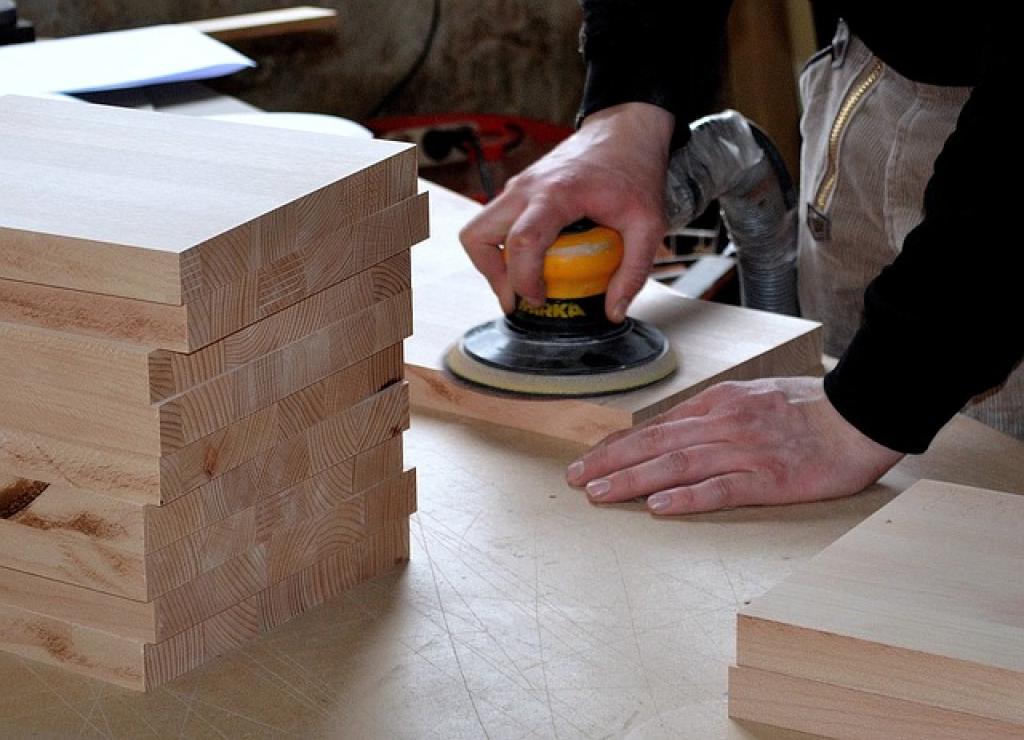
A decent dust extractor, a good sander, and a respirator when the task calls for it are practical sustainability tools. They keep the air cleaner, reduce the mess that gets carried around the shop, and help you finish the work without punishing your lungs.
Use finishes that make sense
Finishing products are one of the easiest places to make smarter choices. Low-VOC or lower-toxicity options are worth considering, but the broader point is to choose finishes that fit the project and will not force unnecessary rework. A durable, appropriate finish can extend the life of a piece and reduce the need for refinishing or replacement.
That said, sustainability is not served by pretending every finish is interchangeable. Some pieces need tougher protection. Some need a simpler, repairable finish. The honest choice is the one that balances health, durability, and maintainability.
Maintain tools so material use stays efficient
A Makita SP6000J earns its keep here because it helps keep the work honest before a small mistake starts spreading through the whole job.
You also feel the value of a Festool ETS EC 125 when the fit tightens up and you need control instead of forcing the material.
Sharp tools waste less wood. Dull blades tear fibers, drift off layout, and force extra cleanup. Good maintenance is not separate from sustainability. It is one of the simplest ways to make the material you already bought go farther.
The same applies to shop lighting and setup. When the workspace is bright, organized, and predictable, you make fewer stupid mistakes that turn usable stock into scrap.
Build things that deserve to last
One of the most sustainable things a woodworker can do is make better projects. Durable design, repairable construction, and finish choices that age well all reduce churn. A piece that stays in service for years is a better use of material than a trendy object that gets replaced next season.
This is where craftsmanship and sustainability meet. Long-term usefulness is an environmental value whether or not people talk about it that way.
The bottom line
Eco-friendly woodworking is not about perfection. It is about better habits repeated consistently: smarter sourcing, tighter cut planning, cleaner dust control, sensible finish choices, and projects that are worth keeping. That is how sustainability becomes real in a shop instead of staying a slogan on the outside of one.
Small shop habits that make a real difference
Keep a cutoffs bin organized by size and species so useful pieces stay useful. Random piles become trash; sorted leftovers become parts, jigs, trim, and future prototypes.
Measure twice on sheet goods and expensive boards because sustainability is not abstract once the wrong cut has been made. Accuracy saves more resources than guilt ever will.
Use work lights and clean layout marks so you can actually see what you are doing. Poor visibility creates bad cuts, waste, and unnecessary rework.
Treat shop cleanup as production, not punishment. A clean floor, clear bench, and maintained dust setup directly improve how carefully you work and how little material gets wasted.
Why sustainable habits are usually better craft habits
The longer you stay at woodworking, the more obvious it becomes that careful makers are often the most sustainable makers. They waste less, plan better, maintain tools, and build pieces that deserve repair.
That does not require perfection. It requires attention. Better habits create better work, and better work is usually the most responsible use of wood in the first place.
Make sustainability visible in your decisions
People often imagine sustainability as a separate philosophy layered onto woodworking, but in practice it shows up in very visible choices: cleaner cuts, fewer ruined boards, smarter finishing, and projects that stay useful.
When those decisions become normal, the shop runs better and the work usually improves with it. That is a practical win, not just an environmental one.
One final practical test
Before buying another product marketed as sustainable, ask whether it will actually help you waste less, breathe cleaner, or build something that lasts longer. If not, it may just be expensive reassurance.
The best sustainable habits in woodworking are usually plain, repeatable, and boring. That is exactly why they work.
Related reads
- Essential Tips for Woodworking for Beginners
- Transform Your Space: A Comprehensive Guide to Tongue and Groove Ceiling Installation
That’s it for today, folks. Hope this helps you with your projects. Enjoy the day. I’ll see you on the next one.