
How to Choose Tongue-and-Groove Ceiling Styles
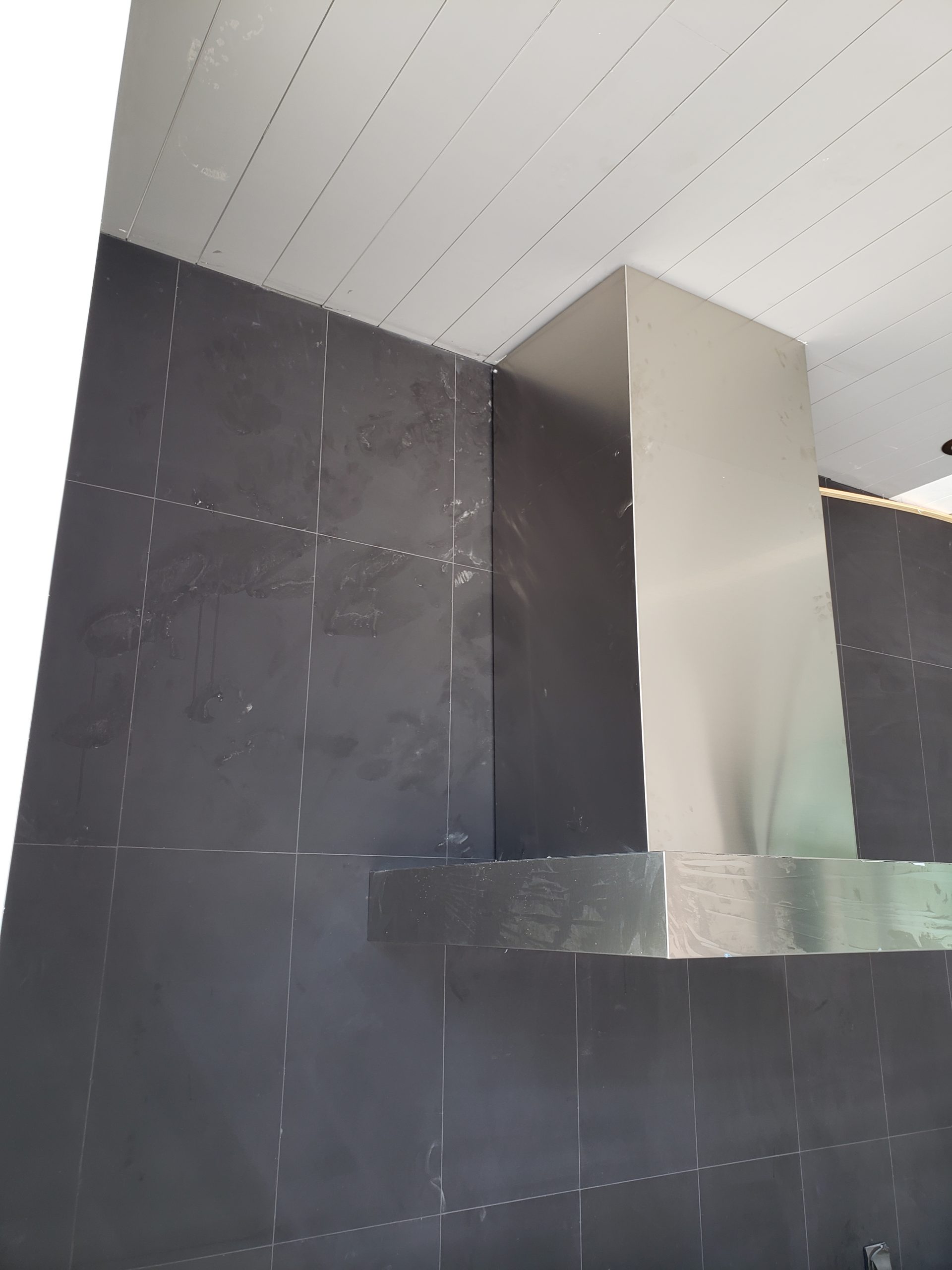
Choosing a tongue-and-groove ceiling style sounds easy until you realize style is tied to room size, wall treatment, trim language, finish, and how much visual weight the ceiling should carry. A good style choice feels natural in the room. A bad one feels like the ceiling is trying to win the argument all by itself.
The old post stayed generic. This rewrite keeps the choice grounded in the room, the finish plan, and the level of visual noise the ceiling can handle.
1. Decide how loud the ceiling should be
Some rooms want the ceiling to disappear into a calm backdrop. Others can carry more personality overhead because the walls, flooring, and trim are quieter. Before you choose a style, decide whether the ceiling is meant to be a subtle layer or a major visual feature.
Gage’s Rule of Thumb: Not every ceiling needs to be the star of the room. A lot of bad style choices come from pushing too much personality overhead when the room already had enough going on without it.
2. Match the board width to the room
Narrow boards can feel more traditional and can calm the scale of smaller rooms. Wider boards can feel bolder and more modern, but they also add more visual weight overhead. A style choice that works in a vaulted room can feel crowded fast in a low, tight space.
3. Let the trim language help you
If the room already has crisp casing, beams, or formal trim, the ceiling style should usually respect that language instead of fighting it. If the room is simpler and more rustic, the style can lean more relaxed without feeling lost.
4. Paint-grade and stain-grade styles are different conversations
Painted tongue-and-groove ceilings usually lean toward cleaner lines and a calmer visual rhythm. Stained or clear-finished ceilings put more pressure on species, grain, and board consistency. The style choice changes when the wood itself is carrying the show.
5. Sample boards tell the truth faster than mood boards
Sample boards are one of the smartest style tools you have. A short mockup with finish on it will tell you more about the final room than a dozen online photos. Sand it, finish it, hold it under the room light, and look at it from the doorway.
6. Transitional rooms need restraint
A room that already mixes styles—modern lighting with traditional trim, or rustic flooring with cleaner furniture—usually benefits from a ceiling style that bridges instead of shouting. Transitional rooms get ugly when the ceiling decides to pick a fight with every other surface.
Board style and finish chemistry still intersect
The style decision also affects how much finish labor the ceiling can tolerate. Busy grain with a heavy stain, strong board width, and dramatic trim all stack on top of each other. Sometimes the better style move is dialing one of those elements back so the room can breathe.
Style choice checklist
- how much visual weight should the ceiling carry?
- does the board width fit the room scale?
- is the finish paint-grade or stain-grade?
- does the style agree with the trim language?
- have you tested the look under actual room light?
Board profile changes the whole shadow line
A lot of style talk stays too broad. The real look of a tongue-and-groove ceiling is strongly shaped by the profile and the shadow line. A tighter reveal reads cleaner and more tailored. A deeper groove reads more rustic and more pronounced. Wider boards can calm a large room, while narrower boards can add rhythm, but they can also start to look busy if the finish and trim are already carrying enough texture.
That is why style choice is not only a color or stain decision. It is a profile decision. Before you lock in a ceiling style, decide whether you want the joints to disappear into the overall field or announce themselves board by board. Both can work. They just do not create the same room.
Style has to match the trim ambition of the room
Some rooms want a ceiling that supports the trim package. Others want the ceiling and the trim to share the same amount of authority. If the room already has heavy crown, built-ins, wrapped beams, or bold window casing, the ceiling style usually needs more restraint. If the trim package is quieter, the ceiling can carry more personality without feeling top-heavy.
Light matters too. Natural light from one side of the room can exaggerate grooves, sheen, and board movement more than a mood board ever shows you. That is why sample boards beat internet inspiration. Put the profile, finish, and color in the room and let the room tell you if the ceiling style is calm, too busy, too dark, or strong in the right way.
Do not let a small sample lie to you
A short sample held in your hand can make a style look cleaner or calmer than it will feel once it covers an entire ceiling. The room sees repetition, not one pretty board. That is why I like making a larger sample or at least laying several boards together before the choice is final. The reveal pattern, the grain activity, and the visual weight show up differently once the boards start repeating across the room.
You also want that sample close to the trim and close to the light source. A profile that looks quiet in the garage can look much sharper once daylight starts throwing shadows into every groove. Sample the real condition, not the fantasy condition.
Fixture spacing and edge conditions affect style more than people expect
Style is not only the field of boards. It is also how the field lands around lights, fans, beams, vent boots, and finish trim. A ceiling style that looks calm in an empty rectangle can feel crowded once every cutout starts interrupting the rhythm. That is why I like reviewing the fixture map before the style is final. You want the board spacing, the reveal pattern, and the obstacle layout to feel like they belong in the same room.
When the room is full of interruptions, the safer style move is often the one with less visual drama in the joint profile. Let the room breathe. Save the louder style for the room that can actually carry it without feeling chopped up overhead.
If you are still deciding how bold the ceiling should feel, look at unique patterns for tongue-and-groove ceilings before you settle on a style that is harder to calm down later.
And if the style choice is really a material decision in disguise, go through how to choose the right wood for tongue-and-groove ceilings before you commit.
Even on a style-selection post, the Stanley FatMax 16ft Tape Measure, Bosch GLM20 Laser Distance Measurer, Makita BO5041K Random Orbital Sander, and Newborn 250 Caulk Gun still belong in the conversation because style falls apart fast when the prep and finish details are loose.
Bottom line
The best tongue-and-groove ceiling style is the one that fits the room well enough that nobody has to explain it later. Start with scale, finish, and trim language. The rest of the choice gets easier from there.
Related reads
- Eco-friendly Tongue And Groove Ceiling Materials: A Sustainable Choice for Your Home
- 5 Expert Tips for a Professional Finish on Tongue and Groove Ceilings
- Tongue and Groove Ceiling Insulation Tips: A Comprehensive Guide for Effective Installation
That’s it for today, folks. Hope this helps you with your projects. Enjoy the day. I’ll see you on the next one.