
Essential Tools for Trim Carpentry and Tongue-and-Groove Installation
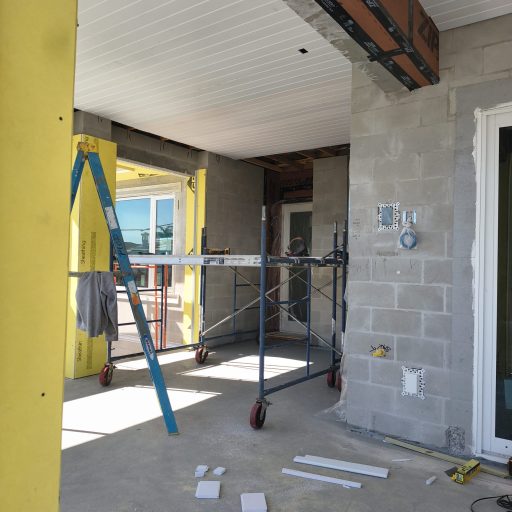
If you’re building a starter kit for trim carpentry and tongue-and-groove work, don’t buy tools by catalog hype. Buy for workflow. You need to measure the room, cut clean, find structure, fasten with control, and stay stable while you’re doing it. Miss one of those pieces and the finished work tells on you.
If you want a second angle on this part of the job, read Essential Tools for Tongue and Groove Installers: The Top 5 Must-Haves next.
The original post had the right instinct and the wrong delivery. It named a few tools, but it read more like scattered product blurbs than a real jobsite kit. This version keeps the post on the rails set by the slug and tightens the list into tools that actually pull weight in trim and tongue-and-groove installs.
Gage’s Rule of Thumb: If your layout starts drifting by the third board, stop and fix the reference line instead of trying to force the rest of the ceiling to behave. I’ve seen good pine get blamed for a bad start more times than I can count. Bad layout makes good material look cheap, and trim won’t bail you out later.
What this tool kit has to cover
Trim carpentry and tongue-and-groove overlap, but they’re not the same job. Trim wants clean reveals, repeatable cuts, and tidy fastening. Tongue-and-groove adds board movement, long layout lines, ceiling fatigue, and a much lower tolerance for starter-row mistakes. That means your first-buy kit has to do five things well.
- measure and mark accurately
- cut stock clean without chewing it up
- find framing and drill where needed
- fasten with enough bite
- keep you stable when the work moves overhead
That’s why this list is built around a system, not around shiny extras. A cordless 18-gauge brad nailer is not your main ceiling gun, and I wouldn’t tell a beginner otherwise. Weak holding power overhead is how loose boards and split tongues turn into callbacks.
1. Stanley FatMax 25-foot tape measure
If this section is where jobs usually get sideways for you, the follow-up on Budget-friendly Tools For Installing Tongue And Groove Ceilings is worth the read.
The tape measure is still the first tool out of the pouch because bad numbers poison every step after that. On trim, it controls reveal math, casing lengths, and return pieces. On tongue-and-groove, it controls board lengths, obstacle cutouts, and whether your last run lands clean or leaves you fighting slivers at the wall.
A good tape with real standout matters because ceiling and wall layout often happens solo. You’re checking long spans, marking joist locations, and bouncing between saw station and install area. A flimsy tape slows you down and sneaks bad numbers into the build.
What mistake it prevents: short cuts, bad reveal stacking, and crooked starts caused by sloppy layout.
Practical tip: mark your control points first, then recheck from a second reference before you cut. I’d rather spend another thirty seconds with the tape than eat a finished board because I trusted the first number too quickly.
2. Makita LS1219L 12-inch miter saw
This is the cut station anchor. For trim carpentry, the miter saw is obvious. For tongue-and-groove, it still earns its keep because you need repeatable length cuts, cleaner end cuts, and predictable bevel control when the room is out of square. A saw that tracks well and stays true saves far more time than it costs.
The reason I put a miter saw ahead of a table saw in a first-buy kit is simple: most beginners doing trim and tongue-and-groove need fast crosscuts and cleaner end work before they need ripping capacity. You can work around the occasional rip cut. You can’t work around a saw that makes every finish cut feel like a guess.
What mistake it prevents: chipped show edges, wandering cuts, and ugly trim returns that never close up tight.
Practical tip: keep a stop setup or repeat mark routine for batches. Recutting ten “almost right” pieces is a slow bleed on every project.
3. Milwaukee 2804-20 drill driver
A drill driver does the quieter work that keeps the install clean. This is what I want in my hand when I’m predrilling hardwood trim, boring small access holes, or using a skinny bit to confirm framing before I commit to nail placement. It also matters around fan boxes, light trims, and anywhere a clean drilled hole beats brute force.
Too many people try to let the impact driver do everything. That’s lazy tool choice. A drill gives you better control for pilot holes and cleaner entry when the material is brittle or the tongue is thin.
What mistake it prevents: split tongues, blown-out holes, and stripped fasteners caused by using the wrong driver for the task.
Practical tip: keep a small bit dedicated for structure-finding work. When you’re mapping rafters or joists behind drywall, a tiny pilot tells you more than a cheap stud finder ever did.
4. Milwaukee 2853-20 impact driver
The impact driver earns its place the minute you start screwing blocking, backers, furring, or trim supports. It drives with more authority and less wrist torque than a drill driver, which matters when you’re moving fast or reaching into awkward positions.
For tongue-and-groove ceilings, I like having both the drill and the impact on deck because it keeps the job from bogging down. Drill in one hand for pilot work. Impact in the other for screw work. That’s not luxury. That’s workflow.
What mistake it prevents: cam-outs, rounded screw heads, and wasted motion from swapping bits every three minutes.
Practical tip: use the impact for screw installation and keep your bit choice tight. Cheap bits and over-driving are how you scar finished trim and bury hardware where it doesn’t belong.
5. Milwaukee 2839-20 cordless 15-gauge finish nailer
If the job includes tongue-and-groove and finish trim, the 15-gauge nailer is the money tool. It gives you stronger bite than an 18-gauge brad gun and a cleaner workflow than hand nailing. On overhead work, that extra holding power matters. Boards that feel “good enough” at install can start talking back when humidity shifts and the house moves.
I’ve seen more tongues split and more joints open up from weak fastening and bad angle choice than from bad lumber. That’s scar tissue, not theory. A 15-gauge finish nailer is the better core ceiling/trim gun when you need holding power and don’t want to drag a hose everywhere.
What mistake it prevents: loose boards, rattly trim, and face damage from trying to force production with the wrong nailer.
Practical tip: blind nail through the tongue when the profile and species let you. When you must face nail, stay consistent so the repair work doesn’t turn into camouflage.
6. Stanley chalk line with blue chalk
This tool is cheap compared to the trouble it prevents. A chalk line gives you the visual truth for a starter row, a framing reference, or a long trim alignment. On ceilings, I’m snapping lines and reading structure. I’m not dragging out a laser to do a chalk line’s job.
Use blue chalk indoors. Red has its place, but inside finish work it can leave a mess you keep staring at long after the install is done.
What mistake it prevents: cumulative drift, uneven board reveals, and starter rows that force every piece after them to fight for position.
Practical tip: snap the line, step back, and verify it against framing and room sight lines before the first fastener goes in.
7. Platform or scaffold
This one gets skipped by beginners because it isn’t flashy. That’s a mistake. Stable access changes your accuracy, your speed, and your body position. It’s easier to keep a board tight, line up your nail angle, and watch your reveal when you’re standing square to the work instead of reaching off a ladder rung.
For tongue-and-groove ceilings, scaffold or a solid work platform also reduces fatigue. Fatigue is when people miss framing, bruise edges, and start taking shortcuts. Good access pays you back in cleaner work and less aggravation.
What mistake it prevents: ladder hopping, missed nails, bad body mechanics, and ugly joints caused by rushed overhead work.
Practical tip: set the platform height so you can keep your elbows in a strong working range. Too low and you’re muscling boards. Too high and you lose sight lines.
What you can wait to buy
You do not need to buy every specialty tool before the first real project. A table saw, specialty sanders, high-end routers, or niche trim gadgets can come later. Start with the tools that let you lay out, cut, fasten, and move safely. Once those are covered, you’ll know what’s actually missing instead of guessing from a catalog.
Quick buy order for a real starter kit
- tape measure
- miter saw
- drill driver
- impact driver
- 15-gauge finish nailer
- chalk line with blue chalk
- platform or scaffold
That list won’t make you look fancy, but it will let you start building trim and tongue-and-groove work that stays straight, fits tighter, and causes fewer headaches. That’s the point. Buy for results, not for shelf appeal.
If you want model-level examples instead of generic labels, a Stanley FatMax 25ft Tape Measure and a Makita LS1219L 12in Miter Saw both fit the kind of layout-and-cut work this post is talking about.
Related reads
- Top Common Mistakes in Ceiling Installation
- 5 Expert Tips for a Professional Finish on Tongue and Groove Ceilings
- Maintenance Tips for Tongue and Groove Ceiling Tools
That’s it for today, folks. Hope this helps you with your projects. Enjoy the day. I’ll see you on the next one.