
Trim Carpenter Secrets for Flawless Finish Work
Trim carpenter secrets for flawless finish work sounds simple until the work has to look right in real light. That’s when the generic internet advice starts falling apart. This version is the jobsite answer.
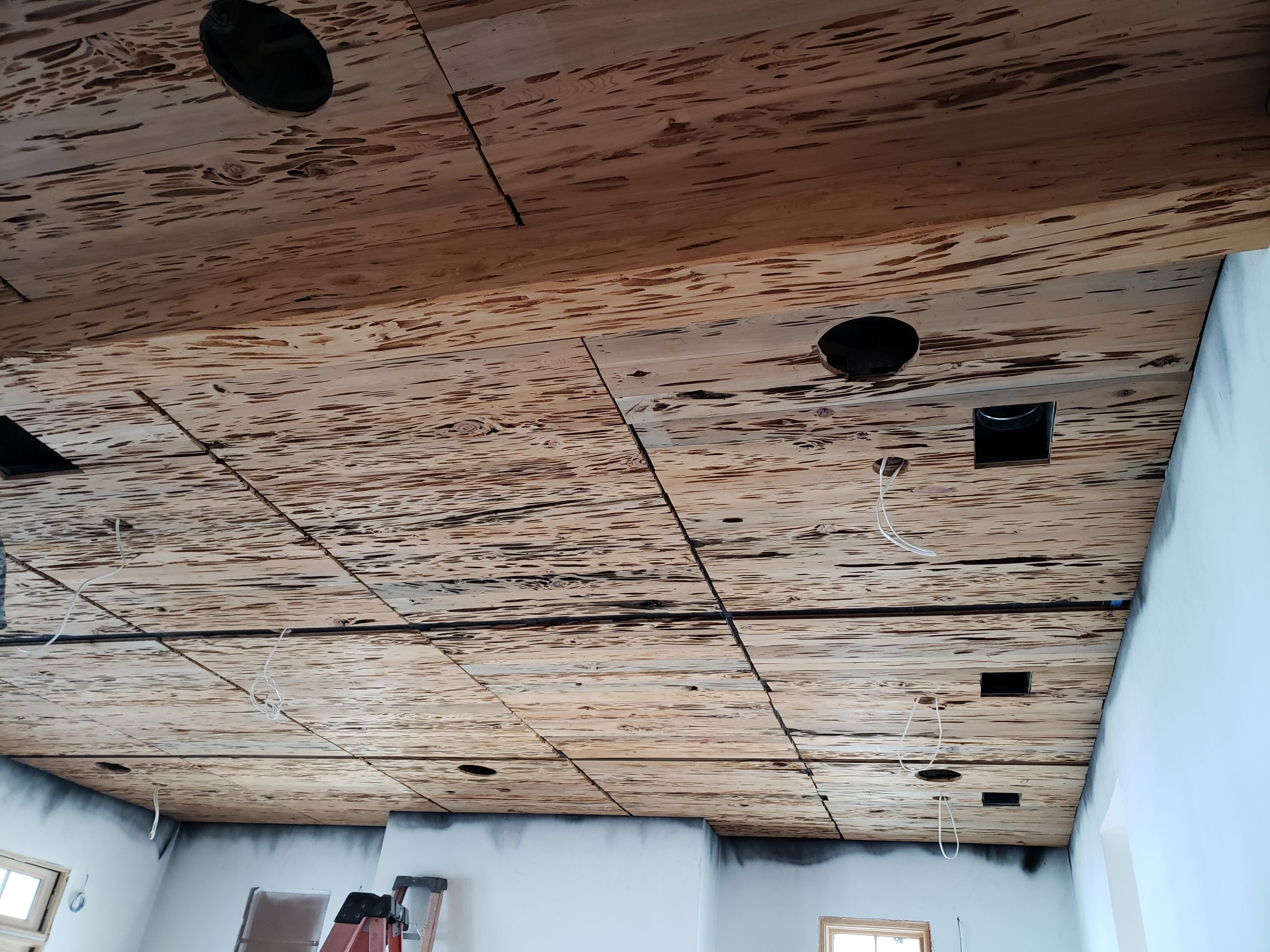
Why finish work punishes lazy habits
Finish work is where the little stuff turns into the whole story. Framing can be rough and still get covered. Trim can’t. The reveal around a jamb, the return on a shelf, and the line where casing meets the wall all sit right in front of somebody’s face.
That’s why a lot of decent carpenters look average once the work gets into paint-grade trim. They move too fast in the wrong places. They cut before they’ve checked the wall, they trust the room to be square, and they try to fix fit with filler after the fact. That’s not craftsmanship. That’s rework waiting to happen.
Start with layout that buys you forgiveness
The first secret is boring, and that’s exactly why people skip it. Before you cut anything that has to show, measure the opening in more than one spot, check the wall with your square, and figure out where the room is going to lie to you. If the wall bellies, if the drywall corner is fat, or if the jamb is out of plane, the trim has to be cut for the condition you actually have, not the condition you wish you had.
I’ve seen perfect material look cheap because the installer trusted one quick measurement and went straight to the saw. When finish work starts drifting, it usually started at layout.
Gage’s Rule of Thumb: If a trim joint looks like it needs caulk from six feet away, it probably needed another pass before you nailed it. Reset the piece while it’s still easy. Five extra minutes now beats staring at that joint every time the light hits it.
Cut less, test more
A clean finish carpenter doesn’t act like every cut has to be final on the first swing. Sneak up on tight joints. Leave yourself a hair when the wall is suspect. Dry-fit the piece, watch what the joint tells you, and then trim it to exact. That habit alone saves more trim than fancy tools do.
Test fitting also tells you whether you need to back-bevel, shave the backside, or relieve a hidden edge so the face closes tight. If you don’t check fit before fastening, the nail gun becomes a hammer for forcing bad work into place.
Milwaukee 25-foot tape measure
You don’t get tight reveals from guessing. A good tape lets you catch the first bad number before it turns into a pile of recuts.
Swanson 7-inch speed square
A speed square keeps mark lines honest when you’re cutting returns, fillers, or narrow trim parts. Skip it and your compound saw starts getting blamed for layout mistakes.
Milwaukee Fastback utility knife
A sharp utility knife cleans shims, caulk tubes, back-bevel cuts, and paint lines. Dull blades tear work up and make trim look sloppy before it’s even nailed.
Control the joint before you reach for filler
Caulk and putty are finish materials, not rescue plans. Use them to hide tiny normal gaps, not to fake a joint that never belonged together. If a cope is open, if a miter is sprung, or if casing won’t sit because the wall is proud, fix the wood or fix the wall condition first.
This is where trim carpentry separates itself from handyman patch work. A tight joint stays tight because the cut was right, the pressure was right, and the fastening sequence held it there.
Sand and caulk in the right order
You don’t need to sand everything like furniture. On painted trim, sand the proud spots, soften the sharp machine edge if needed, and clean the dust before you caulk. If you caulk first and then drag sanding dust through the bead, you’ve made a mess that paint won’t hide cleanly.
Sequence matters all the way through the punch list. Cut, test, fasten, check the reveal, sand only where needed, then caulk, then final cleanup. When guys get that order wrong, the room starts looking muddy instead of crisp.
Zenith trim pry bar
A trim pry bar saves finished surfaces when you need to reset a board, pull a jamb, or nudge casing. A big demo bar is overkill here and usually leaves scars.
DeWalt DWE6423 random orbital sander
A random orbital sander is for blending joints and easing tiny proud spots, not for hiding bad fitting. Use it lightly or you’ll round edges that were supposed to stay crisp.
Newborn 250 caulk gun
A controllable caulk gun matters on painted trim because blowouts at the joint are slower to fix than taking five more seconds on the bead.
What I keep close when I want clean trim
The tools in this post aren’t glamorous. They’re the stuff that keeps a small miss from turning into a visible miss. A tape, a square, a sharp knife, a light pry bar, a sander you can control, and a caulk gun that doesn’t dump too much material all pull their weight on almost every trim job.
That mixed-tool setup also makes sense beyond one post. You can carry the same logic into T&G, doors, window stools, base, crown, and punch work. Good finish work comes from repeatable habits, not from pretending one hero tool fixes sloppy process.
Bottom line
If you want cleaner finish work, stop trying to be fast at the wrong stage. Be fast at setup, be picky at layout, and be patient at the joint. That’s where flawless work comes from.
If you want the adjacent read that pairs cleanly with this one, start with Essential Tools.
For the next tool or technique angle in the same lane, Best Hammers & Mallets for Installation is the one to open next.
Related reads
If you are still dialing in your daily carry and bench setup, Tool Belt Setup for Finish Carpentry helps keep the fasteners, knife, pencil, and measuring gear where your hands expect them instead of wasting motion on every cut.
That’s it for today, folks. Hope this helps you with your projects. Enjoy the day. I’ll see you on the next one.